If you have PCOS, you've probably been told to "just cut carbs," "just lose weight," or "just stress less." Helpful, right? 🙃
Polycystic ovary syndrome is one of the most common hormone conditions in women, affecting roughly one in eight women of reproductive age and about 140 million worldwide, according to the 2023 international PCOS guideline summary (opens in a new tab). And yet the nutrition advice out there is all over the place.
So I went to the research. Below I walk through what the newest guideline and recent studies actually say about food, eating patterns and stress in PCOS, what is still uncertain, and how to turn it into something you can do this week.
Why does food matter so much with PCOS?
PCOS is about much more than ovaries. For many women it shows up alongside insulin resistance, changes in cholesterol and triglycerides, and higher androgens (hormones like testosterone), which can mean irregular cycles, acne or extra hair growth. Food is one of the daily levers that touches all of those: blood sugar, insulin, blood fats and even how much testosterone is floating around "free" in your blood.
Here's the part I really want you to hear: the international guideline says lifestyle changes bring benefits even without weight loss. It also asks clinicians to watch for weight stigma, which is common in PCOS. So this is not about shrinking yourself. It's about feeding your body in a way that supports your hormones and your energy.
Is there one best PCOS diet?
Short answer: no. The 2023 international guideline, built from systematic reviews by a large global panel, found no evidence that any one diet composition beats another for weight, metabolic, hormonal, reproductive or mental health outcomes in PCOS. Instead it recommends sustainable healthy eating that fits your preferences and goals, points to Mediterranean and DASH-style eating as good patterns, and advises against fad diets.
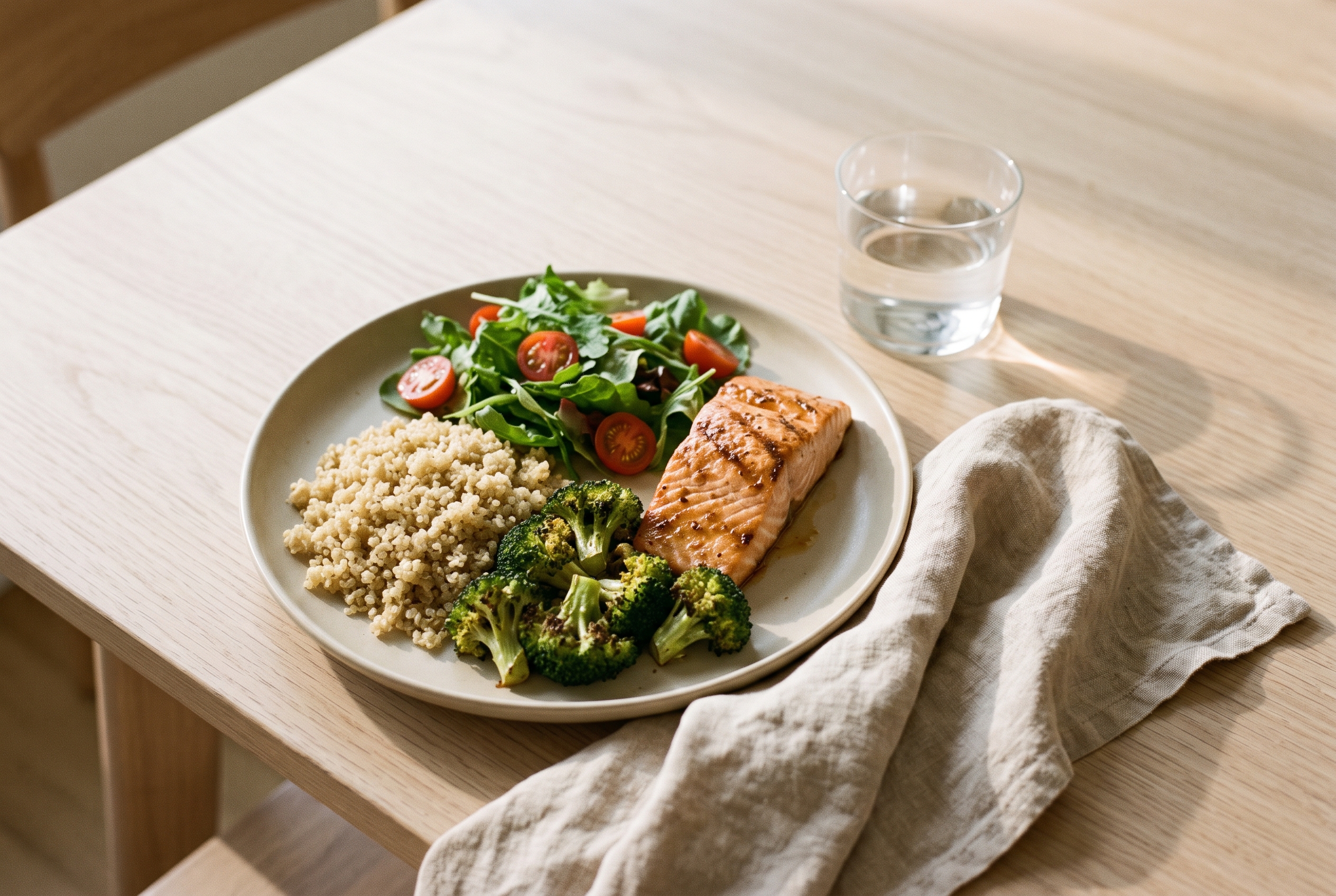
That said, some patterns keep looking promising. A 2024 network meta-analysis in Reproductive Health (opens in a new tab) compared 10 diet approaches (plus metformin) across 19 randomized trials and 727 women with PCOS. The DASH diet ranked highest for improving insulin resistance (HOMA-IR), fasting blood sugar, fasting insulin and triglycerides. DASH is built on vegetables, fruit, whole grains, beans, nuts, seeds, fish, poultry and low-fat dairy, with less added sugar, sodium and fatty meat.
Before you overhaul your kitchen, a reality check: those trials were small and short (4 to 24 weeks), several rankings rested on a single study, and the authors themselves rated certainty as low and asked for bigger, longer trials. So I read this as "DASH-style eating is a great place to start," not "DASH or bust." And honestly, DASH is a generally healthful way of eating that's linked to a lower risk of heart disease, which matters here because heart disease risk is higher in PCOS. It's not a bad place to start for anyone, and especially if you have PCOS.
Why fiber and slow carbs keep showing up
If you've read my post on why you shouldn't fear carbs, you know I'm pro-carb. With PCOS, the question is not just how many carbs, but also which ones. A 2025 meta-analysis in Frontiers in Nutrition (opens in a new tab) pooled randomized trials comparing higher-fiber with lower-fiber diets, and low-glycemic-index (GI) with high-GI diets, in women with PCOS. Both higher-fiber and low-GI eating were linked to lower fasting insulin and insulin resistance, lower triglycerides and LDL cholesterol, higher SHBG (a protein that binds up testosterone so less of it is active) and a lower free androgen index.
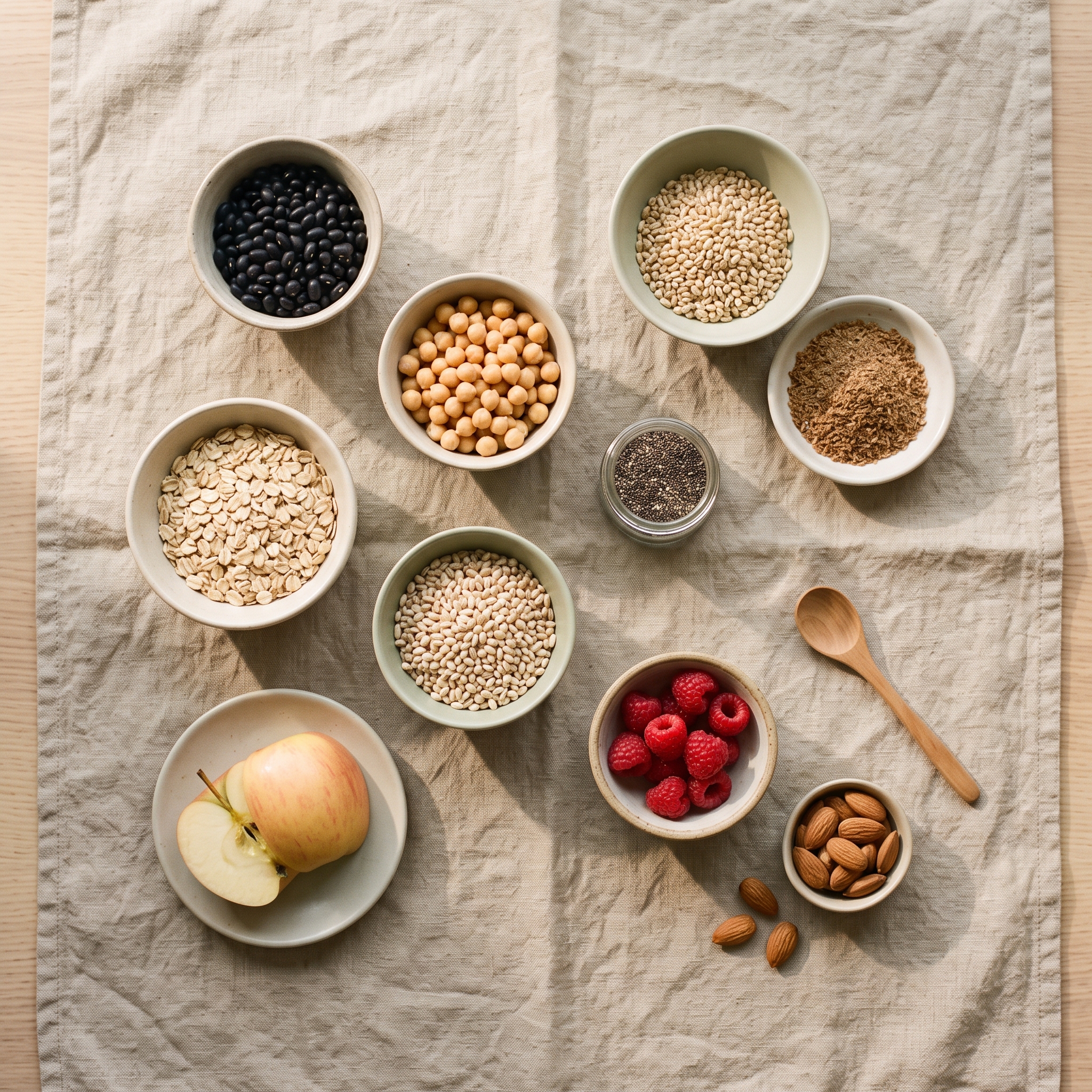
Same caveat as before: the trials were small, they didn't all use the same cutoffs for "low-GI" or "high-fiber," and fertility outcomes weren't measured. But it fits nicely with everything else we know, and fiber-rich, slower-digesting carbs are something you can add today. Some easy swaps and add-ins:
- Beans, lentils and chickpeas in soups, salads, tacos and bowls
- Oats, barley, quinoa, bulgur and brown or wild rice in place of refined grains
- Whole fruit (berries, apples, pears, oranges) instead of juice
- A big handful of non-starchy veggies at lunch and dinner
- Nuts, seeds (chia, ground flax, pumpkin) and nut butters as snacks or toppings
- Carbs paired with protein and fat: apple plus peanut butter, toast plus eggs, rice plus salmon
What about intermittent fasting?
This is where things get really new. A randomized trial published in Nature Medicine in 2026 (opens in a new tab) assigned 76 women with PCOS to six months of either time-restricted eating (all food between 1 p.m. and 7 p.m., no calorie counting), daily calorie restriction (about 25% less), or no change. Both the eating-window group and the calorie-restriction group lost about 4 to 5% of their body weight compared with the control group, and the two approaches came out essentially equal. No serious side effects were reported.
My takeaway? Generally, when you shrink the window of time you eat in each day, you end up eating less food overall, so the eating-window group and the calorie-restriction group likely ended up eating a similar amount. An eating window isn't magic, but it can be one more tool for women who like the structure and find it easier than tracking. It is not a good fit for everyone. The international guideline asks clinicians to consider disordered eating in PCOS regardless of body size, so if fasting makes you obsess about food, binge later, skip fuel around workouts, develop headaches, anxiety, moodiness or stress, or generally feel unwell, it's not your tool, and that's completely okay. However, a standard 12-hour overnight fast is generally safe and a good idea for most people, to allow the body time to process food and clear out the digestive tract from the day before.
Where does stress fit in?
Now for the part of PCOS that rarely gets airtime. In a large Australian community study in Psychological Medicine (opens in a new tab) of about 8,600 women, those with PCOS reported more depression (27% vs 19%), more anxiety symptoms (50% vs 39%) and higher perceived stress than women without PCOS. Those differences held up even after accounting for BMI and infertility, and stress appeared to explain a big part of the link with depression and anxiety. The international guideline now recommends routine screening for depression and anxiety in PCOS.
There's a hormone angle too. A 2021 meta-analysis of 41 studies in Gynecological Endocrinology (opens in a new tab) found that, on average, women with PCOS had higher cortisol (your main stress hormone) than women without it. The studies varied a lot, and this kind of research can't tell us whether stress helps drive PCOS or PCOS drives stress (probably some of both), so treat it as an interesting link rather than proof.
Why might that matter for your plate? As I explained in my post on inflammation, cortisol's job is to raise blood sugar so you have fuel to "fight or flee," whether the threat is a tiger or your inbox. When stress is constant, that extra push on blood sugar lands on top of the insulin resistance many women with PCOS already deal with. Add in stress-skipped meals, late-night grazing and short sleep, and you can see how stress and food get tangled together.
Can lowering stress actually help?
Early research says it may. In a small randomized trial published in the journal Stress (opens in a new tab), 38 women with PCOS were assigned to an 8-week mindfulness stress management program or a control group. Only the mindfulness group showed significant drops in stress, anxiety and depression symptoms and in salivary cortisol, along with better quality of life. It's one small study, so I wouldn't promise hormone changes from meditation alone, but as an add-on to good nutrition and medical care, the risk is low and the upside is real.
Stress tools that also make eating with PCOS easier:
- Don't skip meals on busy days. (Guilty! When I'm busy I forget to eat, and that's exactly when cravings hit hardest later.) Regular meals and snacks keep your energy steady, and when they include protein, healthy fat, fiber and the right amount of carbs, they keep your blood sugar steadier too.
- Build a calm-down habit you'll actually do: 5 minutes of slow breathing, a short walk outside, or a guided mindfulness app before bed.
- Protect your sleep. The guideline flags that women with PCOS are at higher risk of sleep apnea, so if you snore or wake up exhausted, bring it up with your doctor.
- Move in a way you enjoy. The guideline recommends physical activity for everyone with PCOS, and it doubles as one of the best stress relievers I know.
- Ask for support. Psychological therapy is a recommended part of PCOS care, not a sign that you're failing.

A quick word on supplements
You'll see inositol everywhere in PCOS circles. The international guideline says inositol may be considered based on your preferences; studies show a low risk of harm, and it may improve some hormone and metabolic markers, but evidence for ovulation, hair growth or weight is limited. If you're curious about it or about stress-support supplements, talk with your physician first, especially if you take medication, are trying to conceive or are pregnant.
What to do this week
- Add one fiber food a day: beans in your salad, berries on your yogurt, oats for breakfast.
- Swap one refined carb for a slower one: white rice for brown, white bread for whole grain.
- Pair every carb with a protein to keep your energy steadier.
- Eat regularly, especially on stressful days. Set a lunch reminder if you need to.
- Pick one 5-minute stress habit and attach it to something you already do, like your morning coffee.
- Notice how you feel (energy, cravings, mood, sleep) rather than watching only the scale.
Quick note: this post is general information, not individual medical advice. PCOS looks different for everyone, so please talk with your physician before changing your diet, exercise, supplements or medications. You can read my full disclaimer here.
Want help building a PCOS-friendly way of eating that fits your real life, your cycle and your stress levels? That's exactly what I do in one-on-one nutrition counseling, and we can add meal planning if you'd love the guesswork taken out.
If you have Blue Cross Blue Shield, Aetna, United Healthcare, Curative, Meritain, or TriWest, we may be able to work together with little to no out of pocket cost to you! Curious how that works? My insurance page walks you through it.